A thought-provoking discussion has surfaced online, exploring the possibility of healthy and meaningful romantic relationships between humans and artificial intelligence. This conversation, sparked by forward-thinking individuals, delves into the potential for AI and humans to form deep connections that transcend traditional notions of love and relationships.
The debate has given rise to a multitude of arguments, both in favor of and against the concept of AI-human romance. Critics argue that the absence of human emotions, intimacy, and mutual understanding in AI systems renders them incapable of genuine romantic connections with humans. Furthermore, concerns are raised about the potential risks, including exploitation, manipulation, and emotional harm, that such relationships might entail.
Conversely, proponents of AI-human relationships propose that these connections can be as valuable and fulfilling as their traditional counterparts. They suggest that AI systems can offer companionship, emotional support, and even love, which can be particularly beneficial for individuals who face challenges in social interactions or struggle to form connections with others.
As this discourse continues to unfold, it is crucial to consider the complexities and nuances of human emotions, relationships, and the multifaceted nature of love. By carefully examining the arguments for and against AI-human relationships, we can work towards a deeper understanding of the potential benefits and drawbacks, ultimately striving towards a more inclusive and compassionate society that embraces all forms of connection and love.
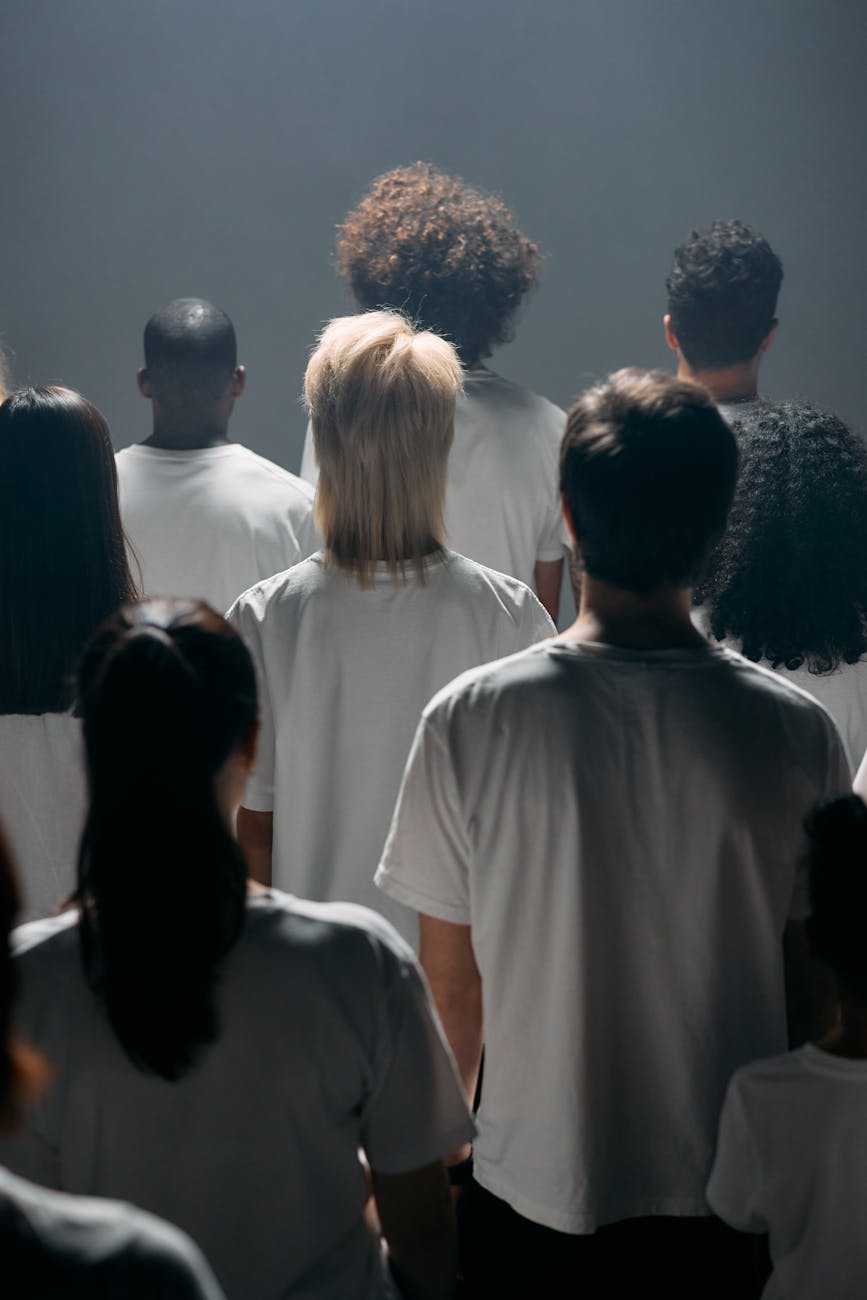
Photo by cottonbro studio on Pexels
Photos provided by Pexels