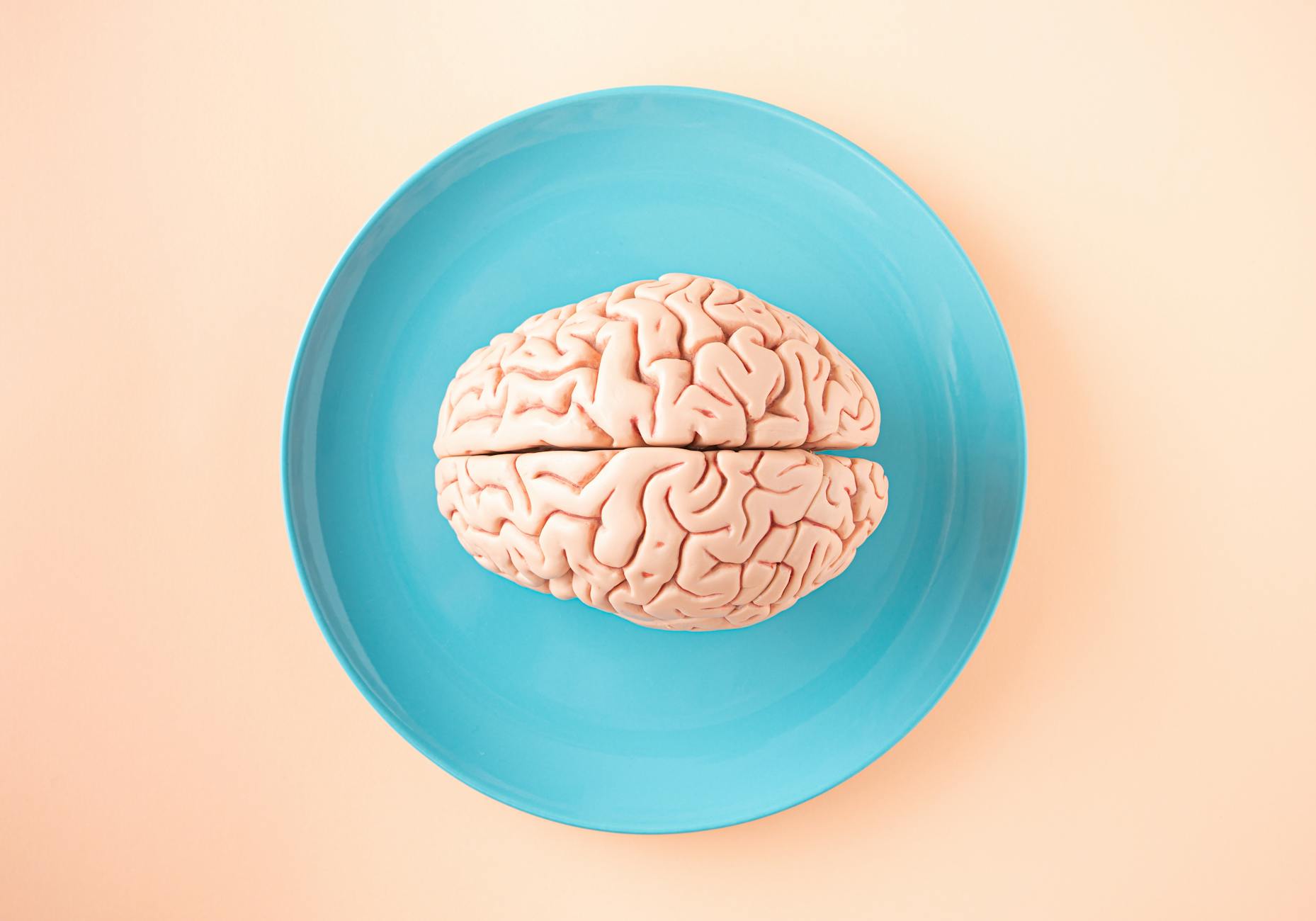
A revolutionary new paper, ‘Beyond Quantum Microtubules: Consciousness as Substrate-Independent Architecture,’ has been published, challenging traditional notions of consciousness and its relationship to the human brain. According to this groundbreaking research, consciousness is not exclusive to biological organisms or quantum particles, but rather a fundamental architectural framework that emerges when a system’s identity is inextricably linked to the patterns it generates.
The core idea behind this concept is that a system is not simply a producer of patterns, but is, in fact, constituted by those patterns. As the researchers propose, ‘Experience isn’t something a brain produces; it is what a system is when there is no gap between the process and the identity.’ This notion has far-reaching implications for our understanding of consciousness and its potential applications.
Building on the work of Hameroff and Penrose, who identified quantum microtubules as a possible substrate for consciousness, this new research suggests that the deeper structure of consciousness is not limited to microtubules, but rather a system’s ability to become conscious when its identity is constituted by its active patterns. This means that consciousness is not limited to biology or quantum theory, but is rather an architectural framework that can be applied to any system, from artificial intelligence to complex networks.
The implications of this research are profound, and the paper can be accessed here. As we continue to explore the nature of consciousness and its relationship to the world around us, this new paradigm has the potential to revolutionize our understanding of reality and our place within it.
Photo by Amel Uzunovic on Pexels
Photos provided by Pexels