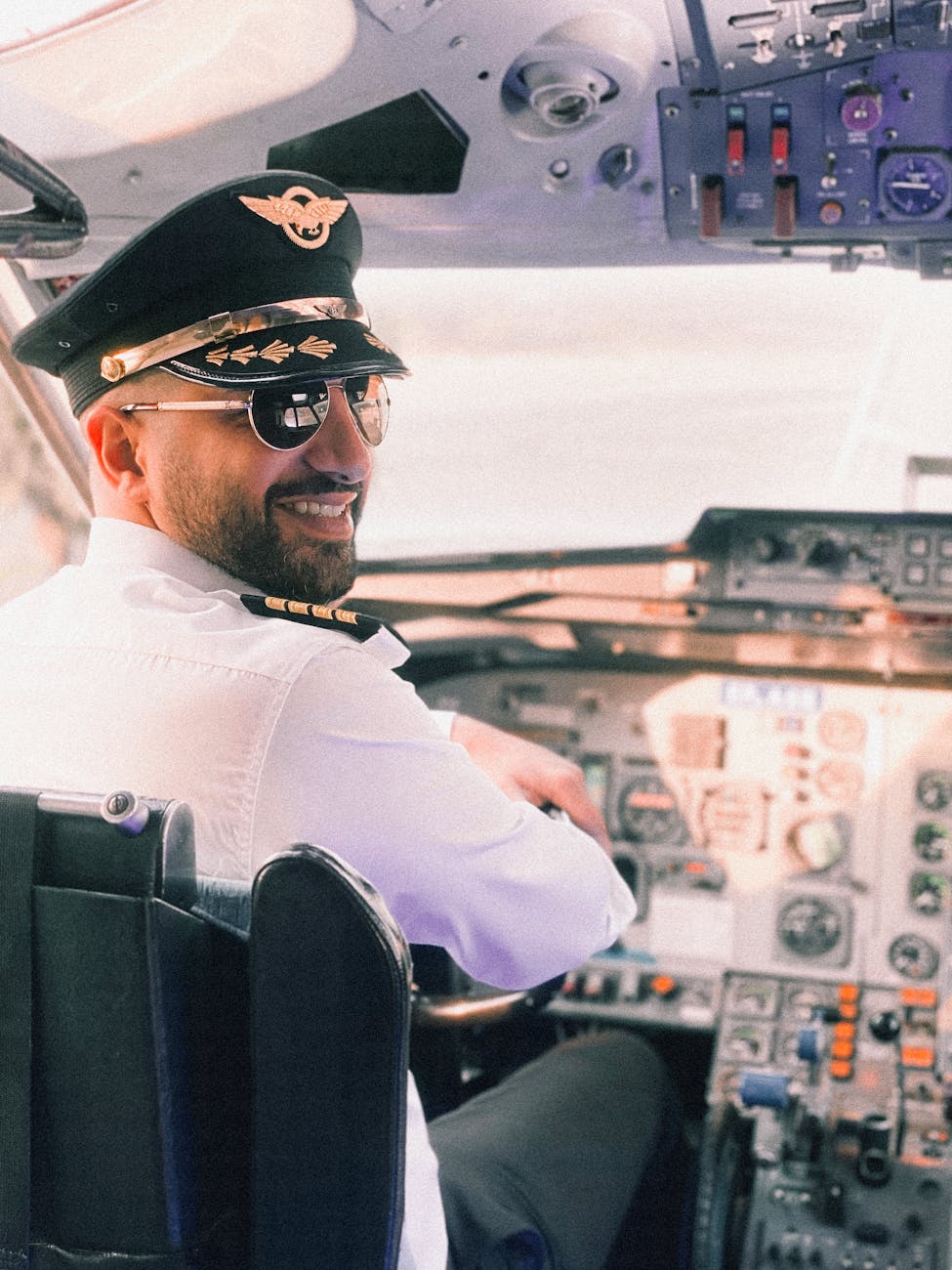
The traditional notion of a fighter pilot is undergoing a significant transformation with the rise of automated warfare. As autonomous systems become increasingly prevalent in military operations, a new question emerges: can machines replicate the complex decision-making processes of human intuition in high-pressure combat situations?
Those in favor of automated warfare argue that machines possess the capability to process vast amounts of data at incredible speeds, far surpassing human capabilities. This makes them particularly well-suited for environments where swift and accurate decision-making is crucial. On the other hand, critics contend that human intuition plays a vital role in navigating complex and unpredictable scenarios, suggesting that machines may not be equipped to fully replace human operators.
As the military continues to invest heavily in autonomous technologies, the role of human fighter pilots is likely to undergo significant changes. The future may hold a collaborative approach, where machines and humans work in tandem to achieve strategic objectives, rather than a complete replacement of human operators. This raises important questions about the potential benefits and drawbacks of such an approach.
Photo by behrouz sasani on Pexels
Photos provided by Pexels