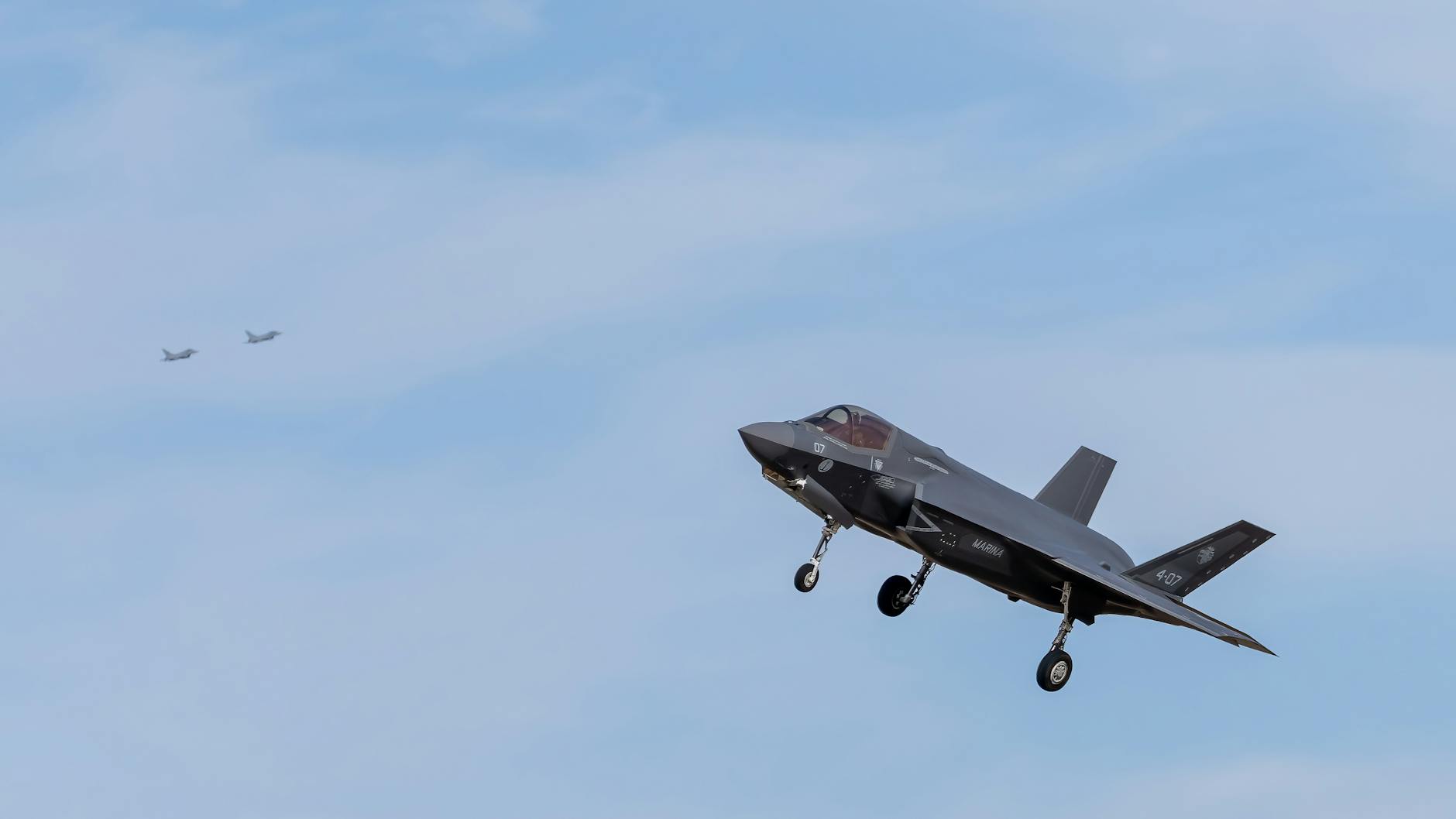
The US military is exploring the potential of generative AI systems to optimize target ranking and prioritization, with human oversight ensuring accuracy and accountability. This development comes amidst ongoing scrutiny of a recent strike on an Iranian school, currently under investigation.
The proposed process involves inputting a list of potential targets into a generative AI system, which analyzes the data and generates a ranked list of priorities. Factors such as aircraft locations and other relevant considerations are taken into account. Human operators then review and evaluate the results, making the final decisions.
Advanced AI models, including OpenAI’s ChatGPT and xAI’s Grok, could potentially be leveraged for this purpose. Both companies have agreed to provide their models for use in classified Pentagon settings, although the official declined to confirm or deny current usage.
The US military has been developing its ‘big data’ initiative, known as Maven, since 2017. This initiative utilizes older AI technologies, such as computer vision, to analyze vast amounts of data and imagery. The integration of generative AI as a conversational layer could significantly accelerate the process of finding and analyzing data, enabling quicker decision-making.
Generative AI systems, like those powering ChatGPT, Claude, and Grok, represent a distinct technological advancement from the AI used in Maven. Their application in warfare is still relatively new and untested, but they offer the potential to streamline the targeting process by providing easier-to-understand outputs.
Photo by Rafael Minguet Delgado on Pexels
Photos provided by Pexels