A fundamental question underlies most discussions about AI systems: why don’t they learn like humans do? Current large language models can learn during training, but they don’t learn from their experiences and corrections in the same way humans do. After training, their weights are frozen, and every conversation, correction, and clarification is lost when the session ends.
Researchers are looking to the human brain for inspiration, particularly in how it learns and consolidates memories during sleep. The brain replays flagged experiences, transferring high-signal events into long-term storage, and this process is selective, with emotional experiences being more likely to be retained.
This process can be seen in how humans reflect on their experiences, such as a skydiver recounting their jump and then watching a video that contradicts their account. The gap between the two creates a signal that consolidates into durable learning. Current AI systems lack this ability to learn from their experiences and corrections during inference time.
Emotion plays a crucial role in the human brain’s consolidation system, serving as a significance-tagging system that determines what experiences are worth retaining. The amygdala fires quickly, marking certain experiences as high-priority for retention, and this system is calibrated by evolutionary stakes. For artificial systems, functional analogs exist, but they are pale shadows of this complex process.
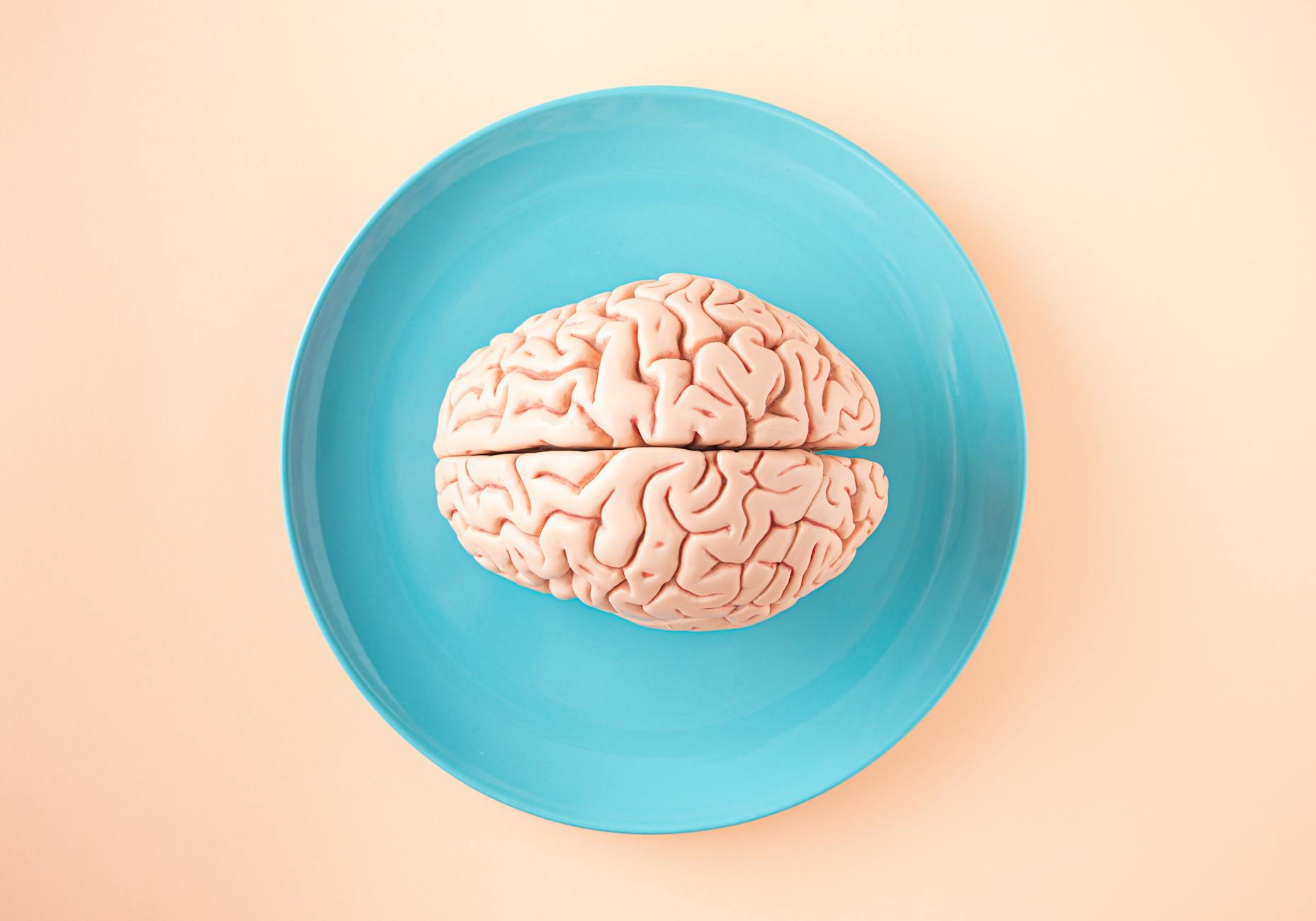
Photo by Amel Uzunovic on Pexels
Photos provided by Pexels