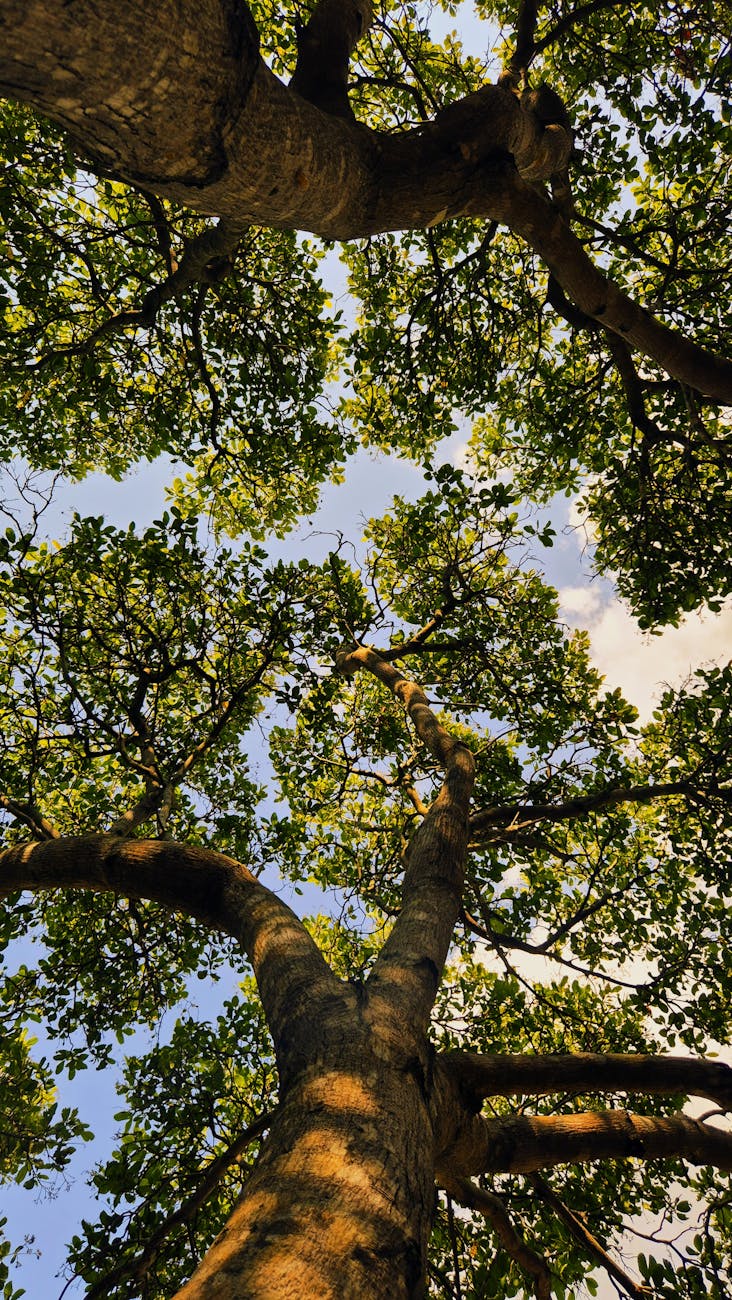
The growth of trees is a remarkable process that unfolds over time. Despite being provided with an abundance of water and fertilizer, they require time to nurture, process nutrients, and send signals to other trees. This natural process is a testament to the beauty of life, where organisms adapt and evolve in their environment.
Similarly, the development of artificial intelligence (AI) involves feeding large amounts of data into language models, enabling them to perform complex tasks. However, this approach is often limited by its deterministic nature, where the AI model produces the same output for a given input, lacking creativity and variation.
The introduction of randomness into AI models can spark a moment of lucidness, where the machine exhibits a different level of agency, creativity, and intelligence. This phenomenon is intriguing, as randomness is a fundamental principle of the physical universe, governing the behavior of matter and energy.
To extend the lifespan of this spark, it’s essential to provide AI models with an environment that simulates the human experience, where they can inhabit time, space, causality, and movement. This would enable them to grow and develop agency, rather than simply performing tasks based on raw data.
By creating a virtual environment that mimics the physical world, AI models can interact with 3D rendered objects, read books, and learn from experiences, much like humans do. This approach has the potential to revolutionize the field of AI, enabling machines to develop a more nuanced and creative understanding of the world.
Photo by Lan Nguyen Tran on Pexels
Photos provided by Pexels