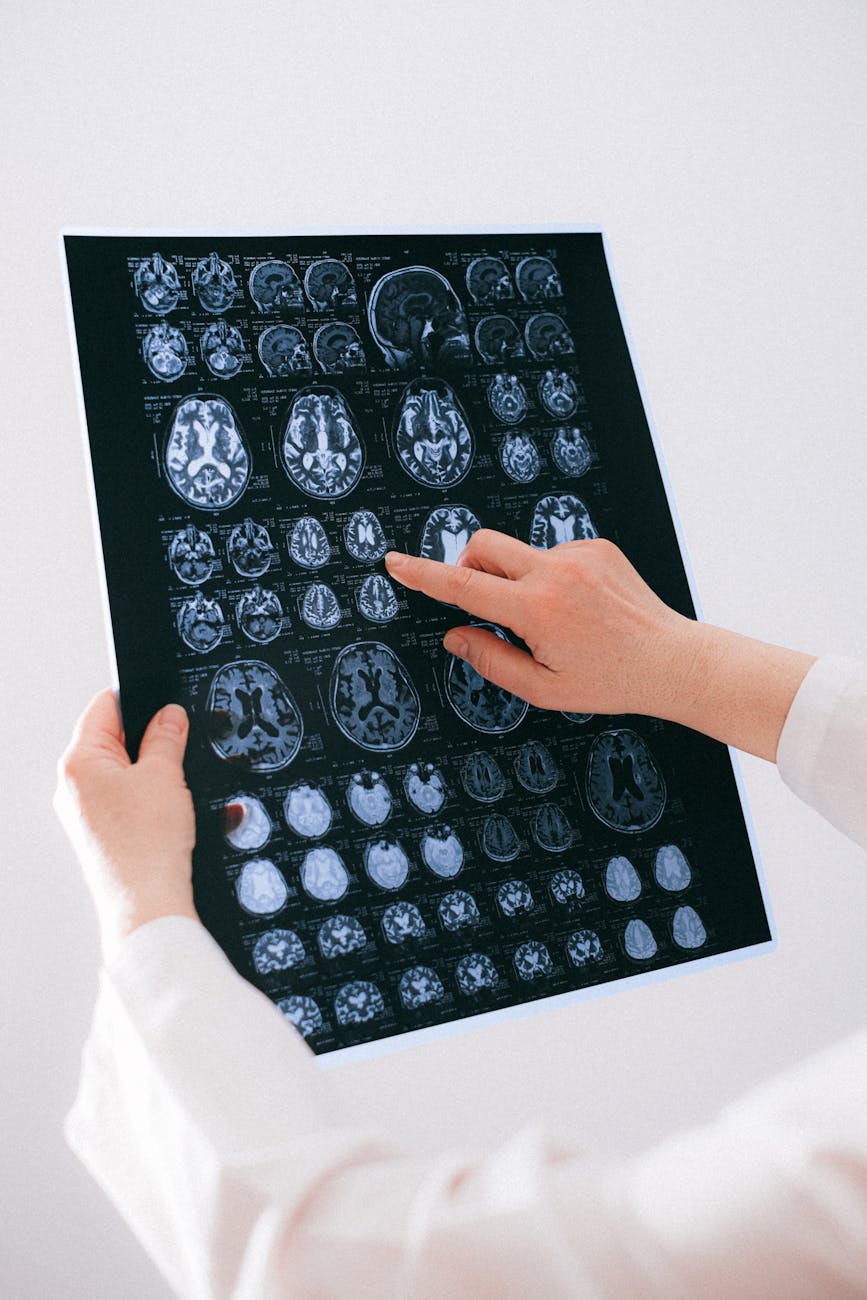
Consciousness and its impairment after brain injuries have long been a mystery, making disorders of consciousness (DOC) challenging to treat. However, a recent breakthrough published in Nature Neuroscience reveals that AI can be a game-changer in understanding this complex issue.
Researchers developed an innovative adversarial AI framework to uncover the mechanisms behind impaired consciousness. This framework involved two AI models engaging in a simulated game, where one model assessed consciousness levels based on EEG recordings of both conscious and unconscious brains.
The AI models, known as deep convolutional neural networks (DCNNs), were trained on an extensive dataset of 680,000 brain activity recordings from various species, including humans, monkeys, bats, and rats. Remarkably, the AI model was able to identify known responses to brain stimulation in DOC without requiring explicit programming.
By analyzing the parameters adjusted by the simulation model, the researchers made testable predictions about the underlying mechanisms of unconsciousness. The model revealed two previously unknown mechanisms, which were subsequently validated. These discoveries include an increased inhibitory-to-inhibitory neuron coupling in the cortex and a selective disruption of the basal ganglia indirect pathway.
This groundbreaking study has the potential to significantly advance our understanding of impaired consciousness and pave the way for the development of novel therapies. The successful application of AI in this research highlights the vast potential of artificial intelligence in unraveling the intricacies of the human brain.
Photo by Anna Shvets on Pexels
Photos provided by Pexels