Pope Leo XIV’s new encyclical on artificial intelligence, Magnifica Humanitas (Magnificent Humanity), presents a compelling case for individuals to come together and shape the future of AI. The pope’s statement that "Technology is never neutral" serves as a reminder that the choices we make about AI will have far-reaching consequences for humanity.
The encyclical draws on biblical narratives, contrasting the story of the Tower of Babel with the rebuilding of Jerusalem. The former represents a pursuit of relentless growth and self-interest, while the latter exemplifies collaborative resilience and shared responsibility. As the pope notes, "The city is reborn, not through the initiative of one man, but through the shared responsibility of all… It is an undertaking with God at the center, which rebuilds relationships before rebuilding with stones."
The encyclical’s message is particularly relevant in today’s world, where AI systems are being deployed at scale with limited institutional oversight. The lack of regulation and accountability raises concerns about the impact of AI on society. However, the pope’s emphasis on the importance of human agency and solidarity offers a powerful counter-narrative.
Institutional investors have already begun to take action, recognizing that AI is not a force of nature, but a commercial product that can be shaped by human values and principles. The encyclical ratifies this effort, highlighting the role of shareholders and civil society in promoting responsible AI development.
As we navigate the uncharted territory of AI, the pope’s vision offers a guiding principle: that our choices should be guided by a commitment to the common good, rather than the pursuit of profit or power. By working together and prioritizing human well-being, we can create a future where AI enhances our humanity, rather than undermining it.
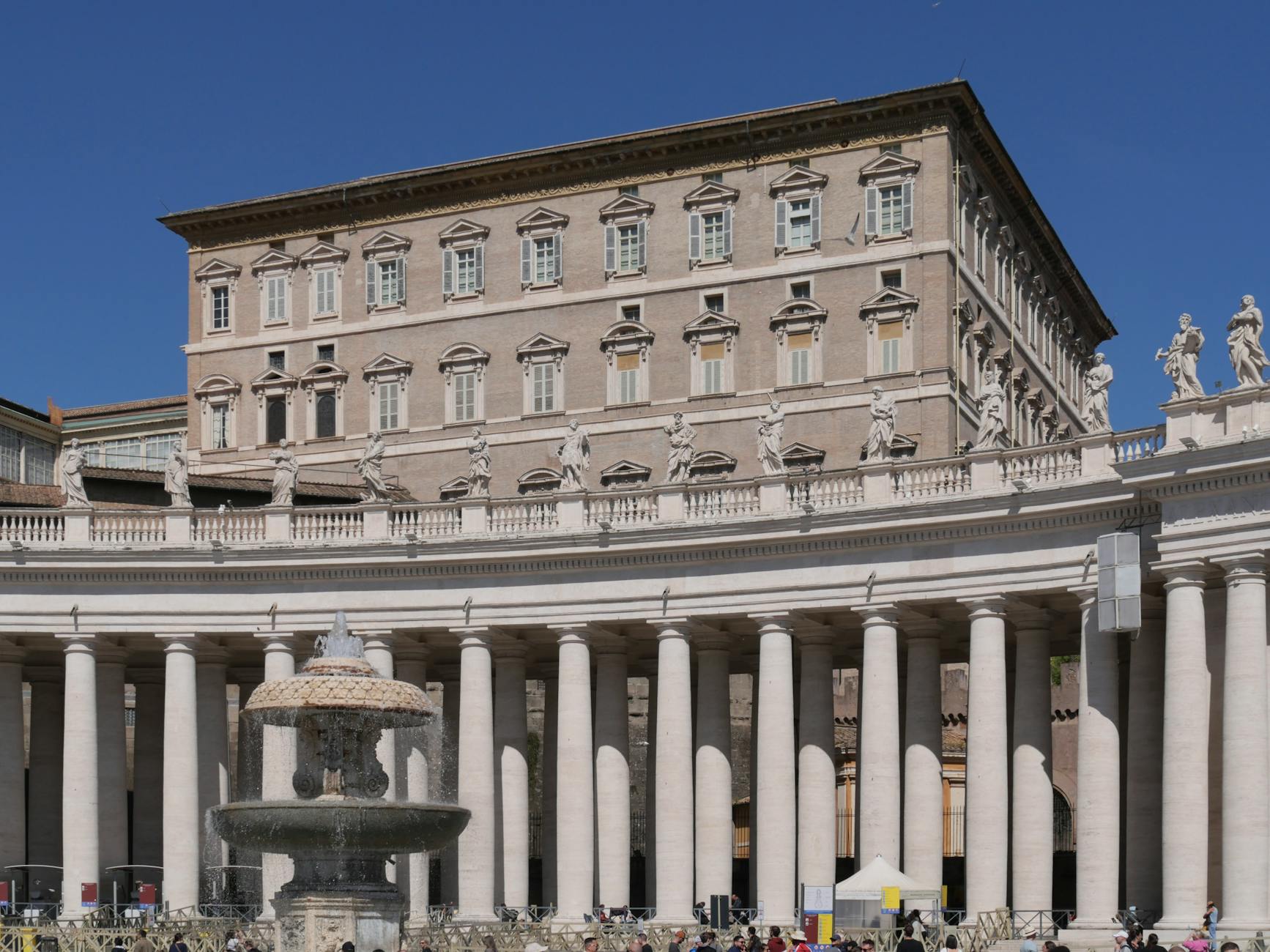
Photo by Dirk Pothen on Pexels
Photos provided by Pexels