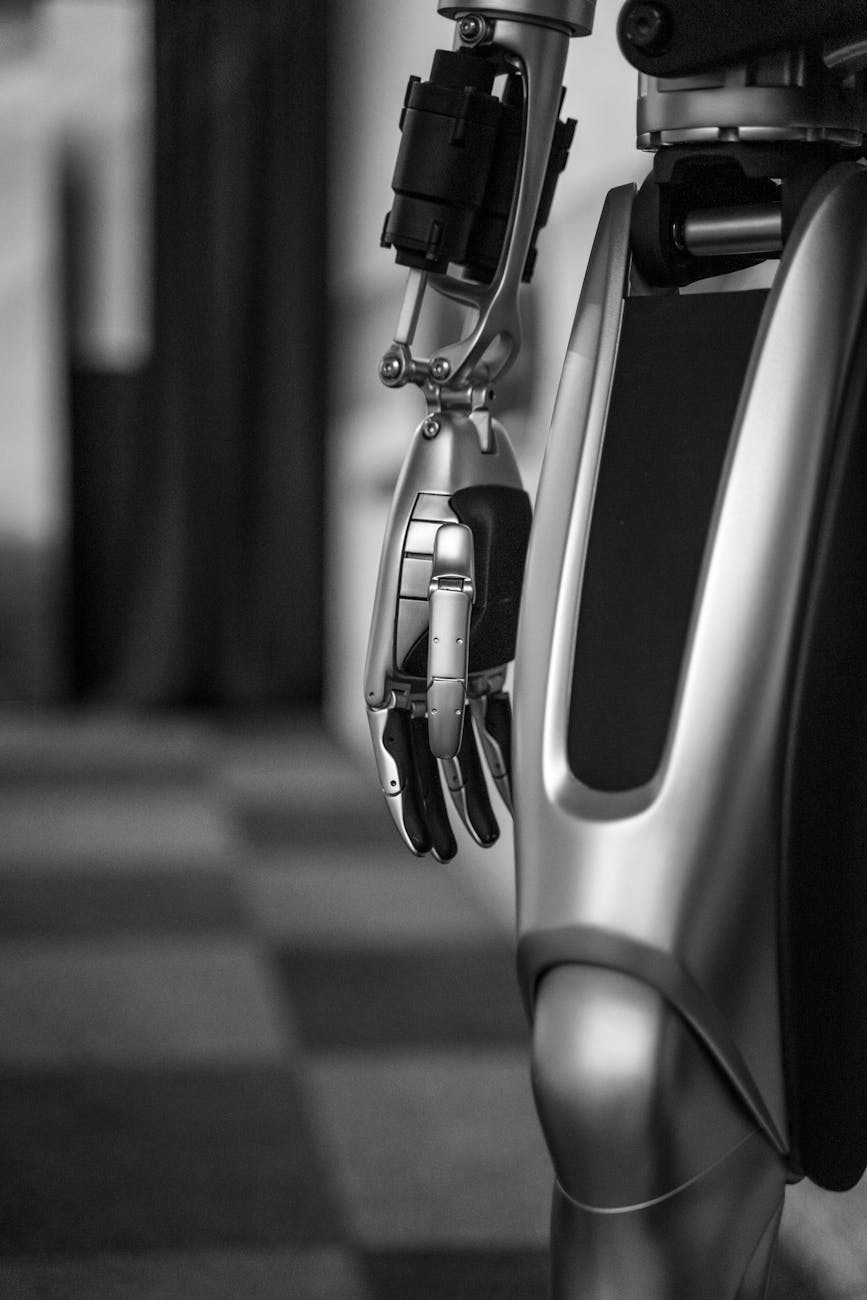
The concept of replacing human workers with artificial intelligence and robotics has ignited a fierce debate about cost-effectiveness, with many questioning the logic behind investing in expensive technologies when human labor is available at a fraction of the cost.
A closer examination of the numbers reveals a striking disparity: while the minimum wage in some areas is as low as $7.25 per hour, the annualized cost of AI and robotics systems far exceeds this amount, even without factoring in the expenses associated with data centers and complex robot maintenance.
From a business perspective, it seems counterintuitive that companies would choose to invest in costly AI and robotics when human labor is available at a significantly lower cost. Even when accounting for benefits and other expenses, human workers appear to be a more economical option, at least in the short term.
However, this raises important questions about the motivations behind the push for AI and robotics in the workforce. Are there factors at play that aren’t immediately apparent, or is this a case of companies prioritizing technological advancements over cost savings? As the debate continues to unfold, one thing is clear: the future of work is at a crossroads, and the choices we make today will have far-reaching consequences for tomorrow.
Photo by Wijs (Wise) on Pexels
Photos provided by Pexels