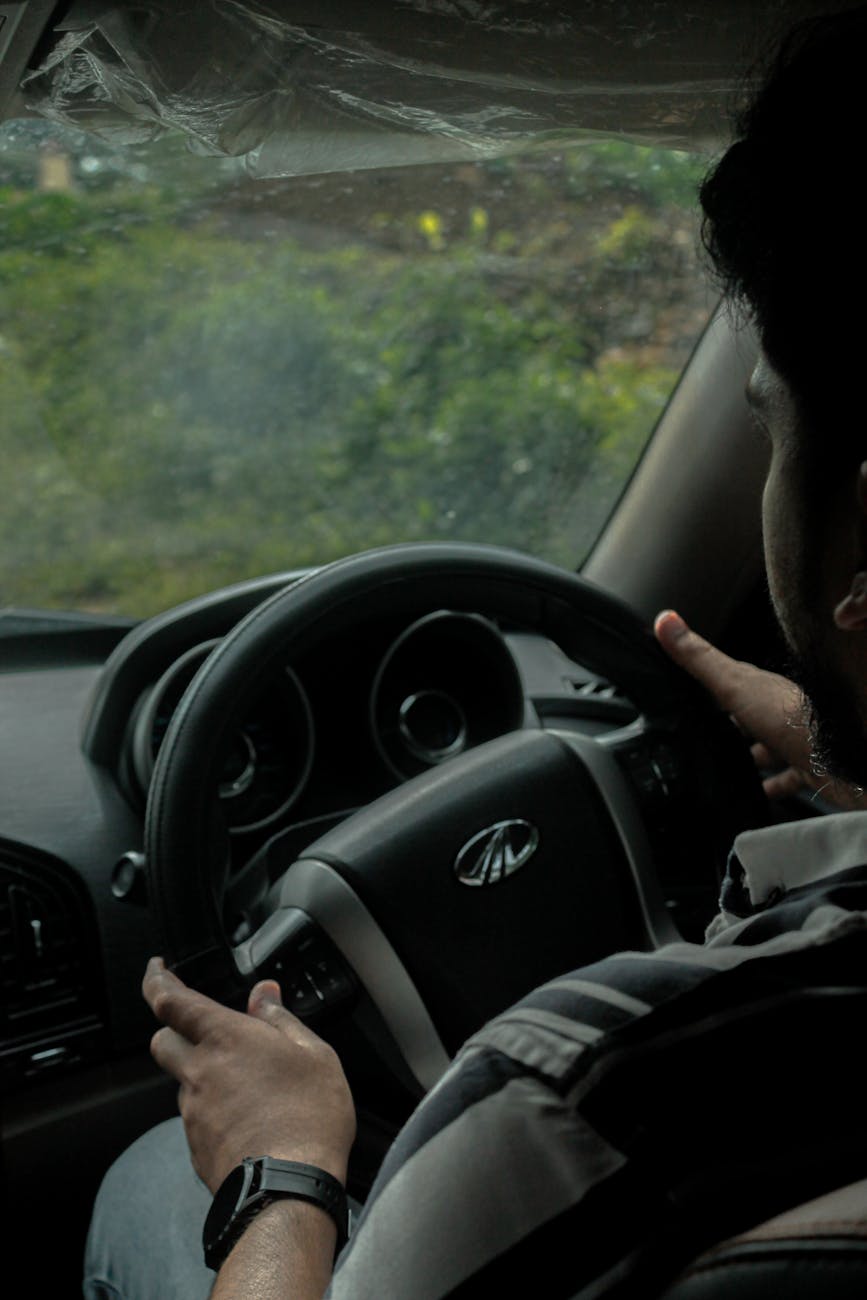
Breakthroughs in video models have led to the generation of synthetic training data for Driver Monitoring Systems (DMS), a crucial step forward in enhancing road safety. This innovative approach, inspired by the Vision Banana project, involves creating realistic synthetic videos of drivers and generating semantic and instance segmentation masks from these videos.
The process begins with the generation of a realistic synthetic driver monitoring video. This video is then used to generate a semantic segmentation mask and an instance segmentation mask. The outputs are combined into a dataset-like structure, resulting in a mosaic video that aligns the RGB video, semantic mask, and instance mask frame by frame. This mosaic video depicts a driver gradually becoming drowsy behind the wheel, a scenario that is both useful for DMS development and challenging to replicate with real-world data.
The significance of this approach lies in its potential to address the difficulties associated with collecting and annotating real-world data at scale. Although the generated annotations require quality assurance, they offer substantial value for prototyping, simulating rare cases, and generating early datasets. The final output extends beyond a synthetic video, transforming into structured training data that includes RGB frames, semantic classes, object regions, bounding boxes, and annotations in YOLO and COCO styles.
For a deeper dive into this experiment and its implications, visit the detailed blog post for more information.
Photo by Alan Biju on Pexels
Photos provided by Pexels