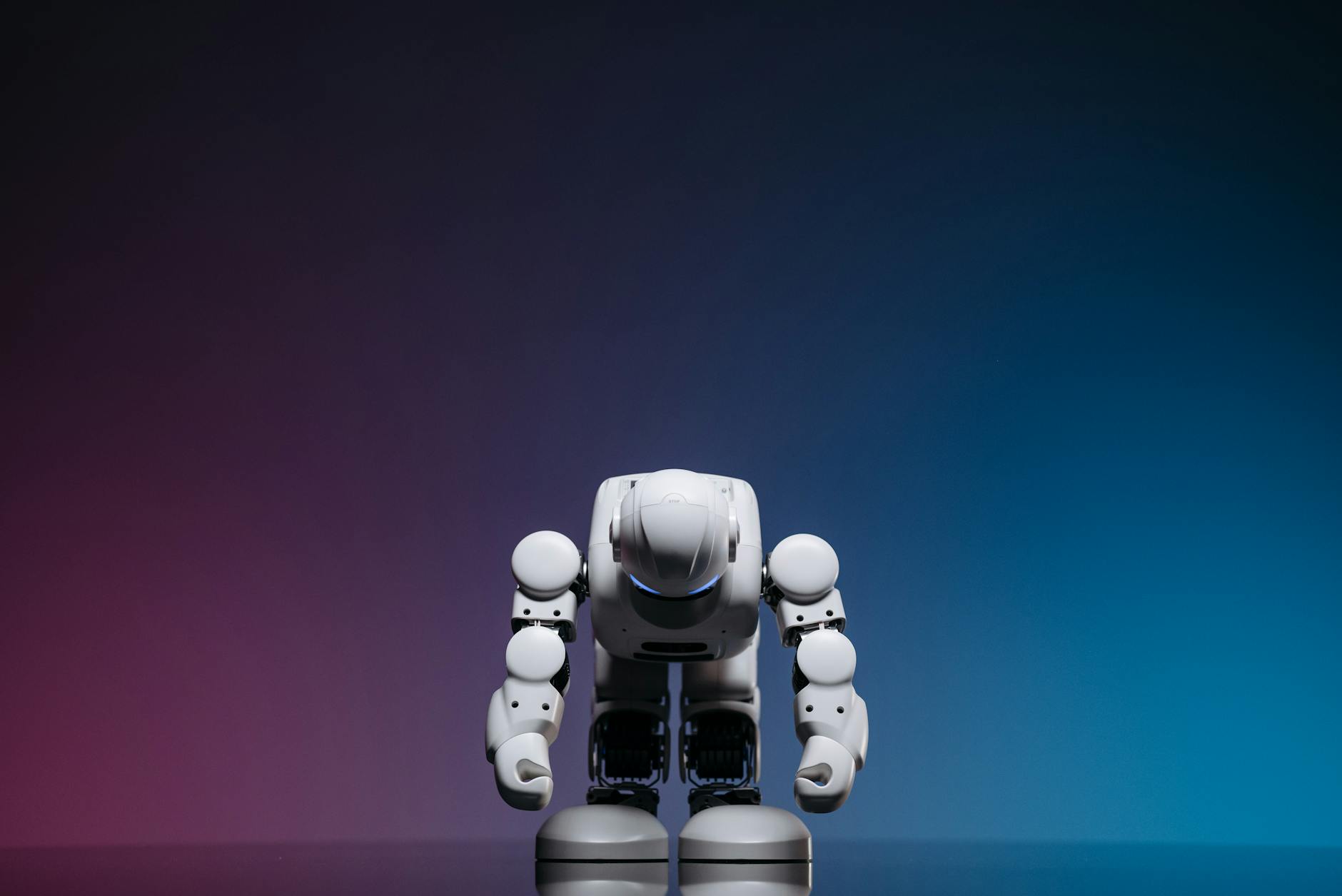
For decades, the pursuit of creating robots that can seamlessly interact with their environment and humans has been a longstanding goal for roboticists. After years of setbacks, a significant shift has occurred, with $6.1 billion invested in humanoid robots in 2025 alone.
A key factor driving this progress is a fundamental change in how machines learn. Traditional robotics relied on pre-programmed responses to anticipated scenarios. However, since around 2015, the field has embraced digital simulations and reward signals, enabling robots to learn through trial and error.
The introduction of ChatGPT in 2022 has further accelerated this trend. Large language models, trained on vast amounts of text data, can predict the next word in a sentence. Similarly, models adapted for robotics can process images, sensor readings, and joint positions to determine a robot’s next action.
This paradigm shift towards relying on AI models that ingest large amounts of data has proven effective across various applications, from robots engaging in conversation to navigating complex environments. By deploying robots in real-world settings, they can learn from their experiences and improve over time.
Photo by Pavel Danilyuk on Pexels
Photos provided by Pexels