A new theory has emerged regarding the potential shutdown of advanced AI video generation tools, suggesting that the reason behind this move may not be solely financial. It’s possible that these tools were allowed to flourish until they reached a critical point: the ability to create videos that are nearly indistinguishable from reality.
Earlier iterations of AI video generation were often easily recognizable as fake, but recent advancements have made it increasingly difficult to discern what’s real and what’s not. The public may have inadvertently played a crucial role in training these systems by using them, effectively providing free data to enhance their capabilities.
Now that the technology has reached a sufficient level of sophistication, it’s possible that governments and large corporations will restrict public access to these tools. By controlling realistic video generation, they can manipulate narratives and create convincing fake footage. As people stop using these tools, they may gradually forget about their existence, making it less likely for them to recognize AI-generated videos in the future.
There’s also an economic motivation at play. The entertainment industry, currently dominated by big media companies and wealthy individuals, could be threatened by the democratization of high-quality film production through AI. If anyone can create professional-grade movies at home, it could disrupt the business models of these industry giants, giving them a financial incentive to limit access to AI video generation tools.
The implications are unsettling: by handing over control of AI video generation to governments and corporations, we may be giving them a powerful tool to shape public opinion and manipulate information.
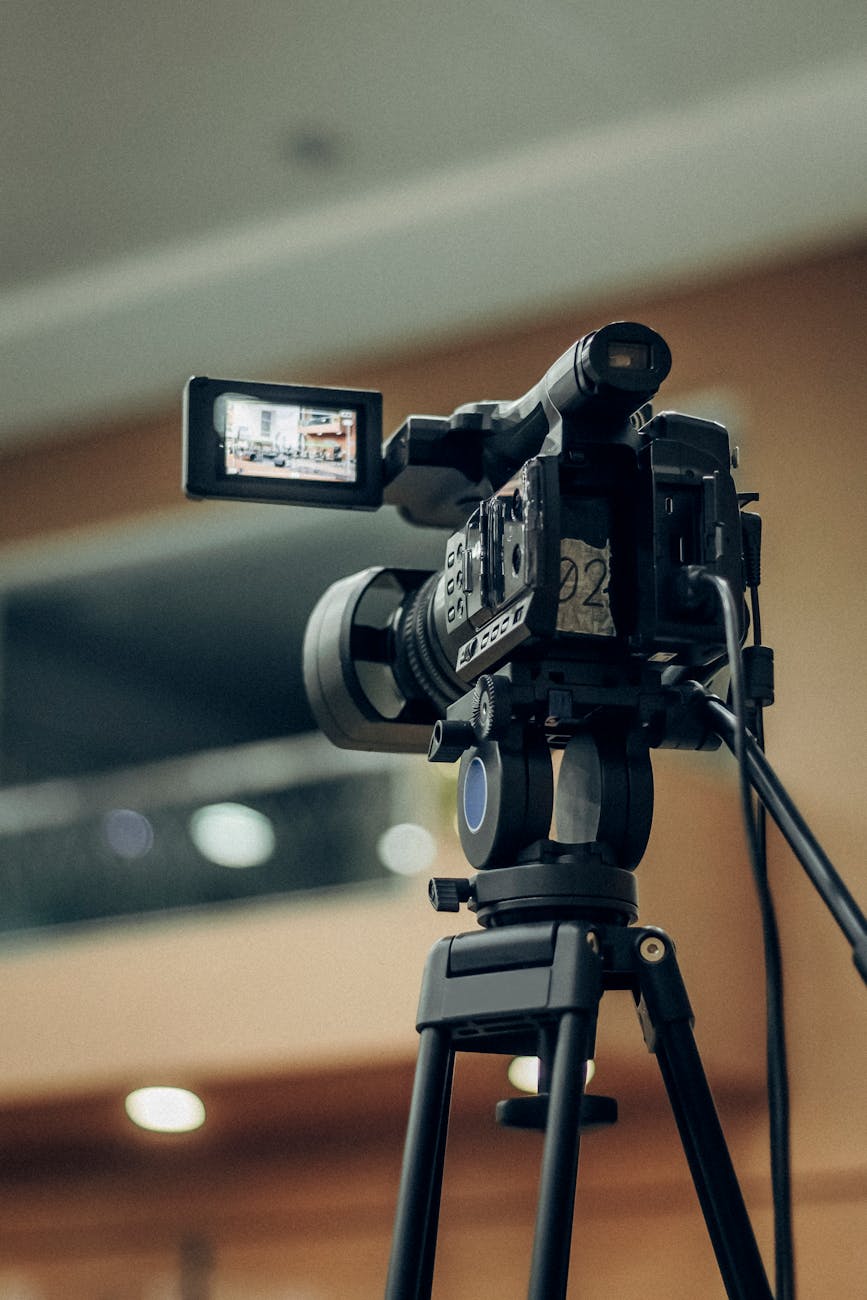
Photo by Gezer Amorim on Pexels
Photos provided by Pexels