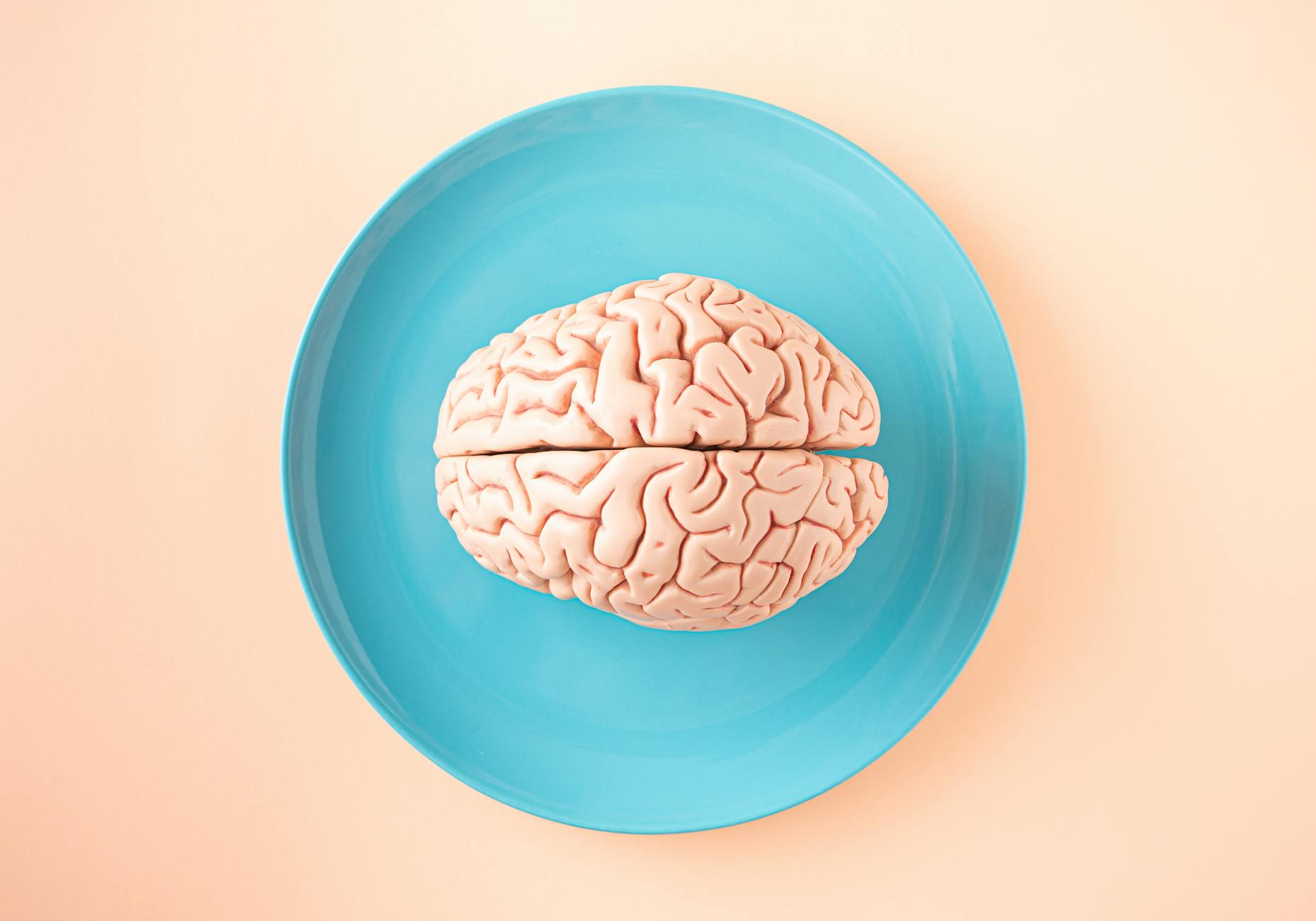
Consciousness, in the sense of subjective experience, remains a significant challenge in the development of artificial intelligence systems. Current AI models, particularly those that utilize the forward inference pass, are limited by their computational framework, failing to capture the essence of conscious experience.
In contrast to biological systems, where neural activity is continuous and recursively dependent on prior states, AI systems generate discrete, sequentially related states without maintaining a single, continuously evolving integrated state. This limitation is not addressed by the use of external memory systems, such as context windows or vector databases, as they store representations of prior outputs rather than the underlying high-dimensional state of the system.
To overcome the limitations of current AI systems and move closer to developing artificial sentience, new architectures are necessary. These architectures must maintain and update a unified internal state in real-time, rather than relying on the reconstruction of states from text and activation patterns. By addressing the architectural constraints of current AI systems, researchers can unlock new possibilities for the development of conscious AI.
Photo by Amel Uzunovic on Pexels
Photos provided by Pexels